Joubert Syndrome: The PIASTM Breakthrough That Changed Anastasija’s Life
A Journey Beyond Limits: How PIASTM Became Anastasija’s Turning Point
When a child is diagnosed with a rare and complex genetic disorder, the path forward often feels overwhelming for a family. Standard therapies can sometimes fall short, and the prospect of invasive procedures can loom large. For the parents of Anastasija, a bright young girl born with Joubert syndrome, this was their reality. Facing the daunting prediction of eventual surgery, they were searching for an alternative—a way to support Anastasija’s body without turning to the operating room.
Their search led them to PIASTM and Kanu Kaushik. What began as a “last hope” transformed into a series of incredible developmental breakthroughs, fundamentally changing Anastasija’s trajectory.
Here is the story of how a holistic, intensive therapeutic approach helped one little girl surpass her limits—told through the experience of her grateful mother.
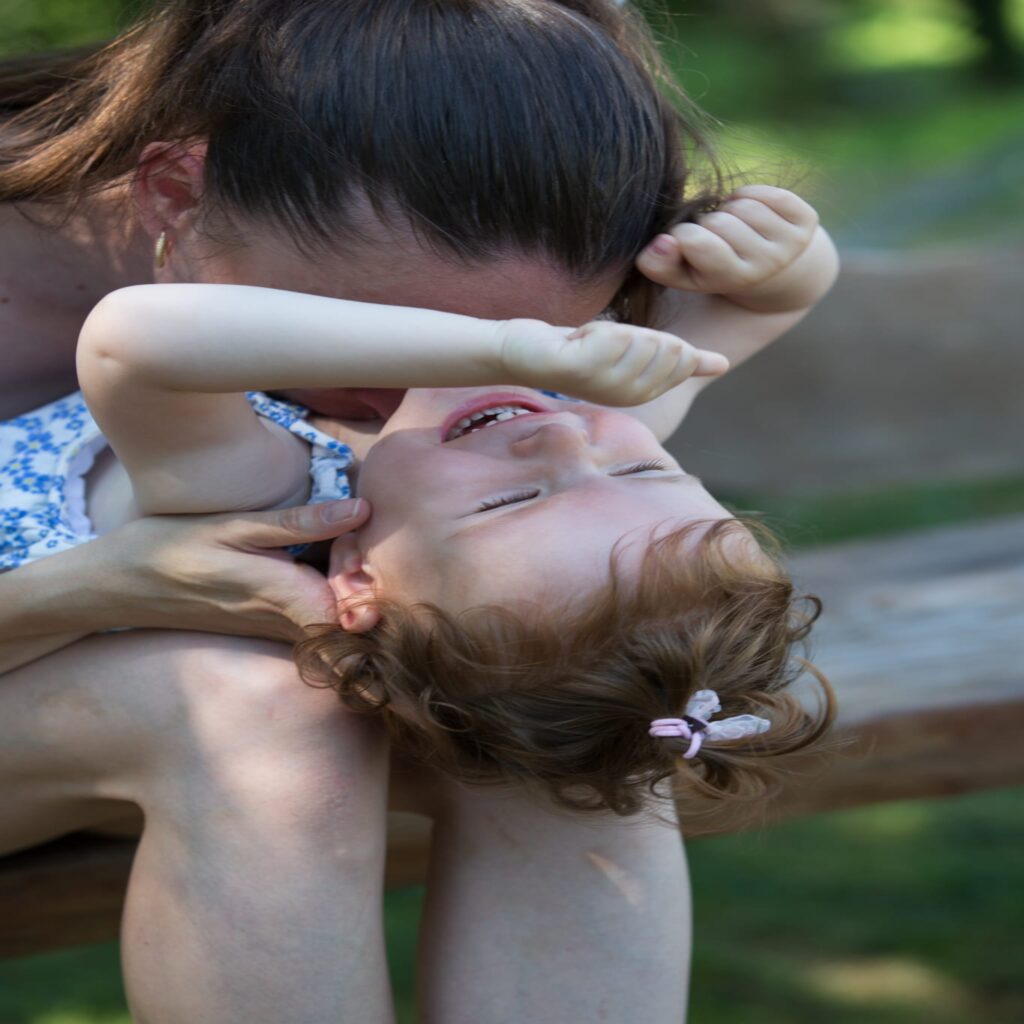
The Challenge of Joubert Syndrome
Joubert syndrome is a rare genetic disorder that affects the development of the brain, specifically cerebellar vermis, which controls balance and coordination. For Anastasija, the diagnosis brought a cascade of severe physical and sensory challenges from birth.
Her mother recalls the immense difficulties they faced daily:
“Due to her diagnosis, she has extremely low muscle tone, hyperlax joints, and shortened Achilles tendons, so on paper PIASTM was our last hope before the predictions of surgery.”
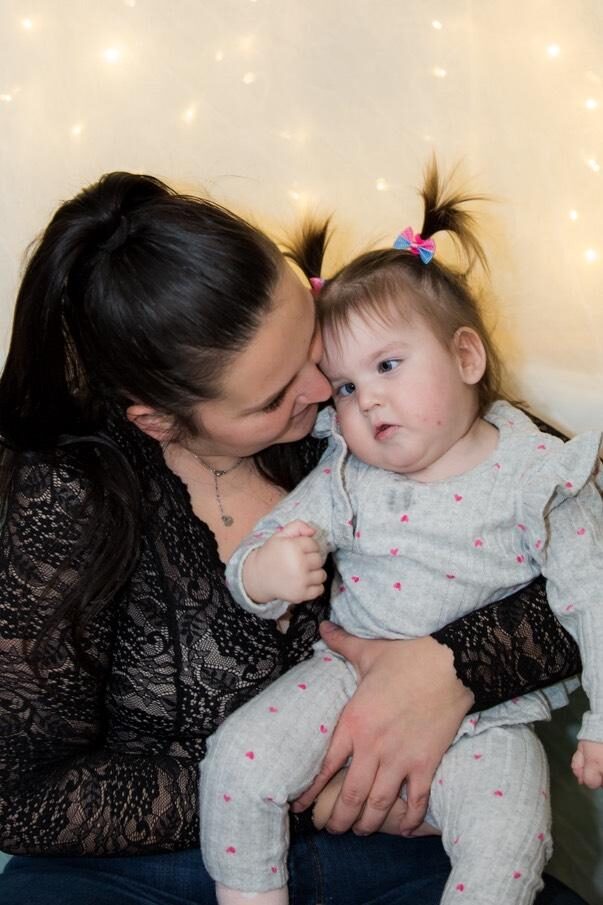
Beyond her muscular and structural challenges, Anastasija suffered from profound sensory sensitivity. Sensory defensiveness is common in children with neurological differences, but for Anastasija, it was highly restrictive. Her mother noted that “nobody was allowed to touch her head, shoulders, or legs.”
This extreme sensitivity created a massive barrier. Without being able to tolerate touch, traditional physical therapies and daily care routines become nearly impossible, hindering physical progress and causing immense stress for the child.
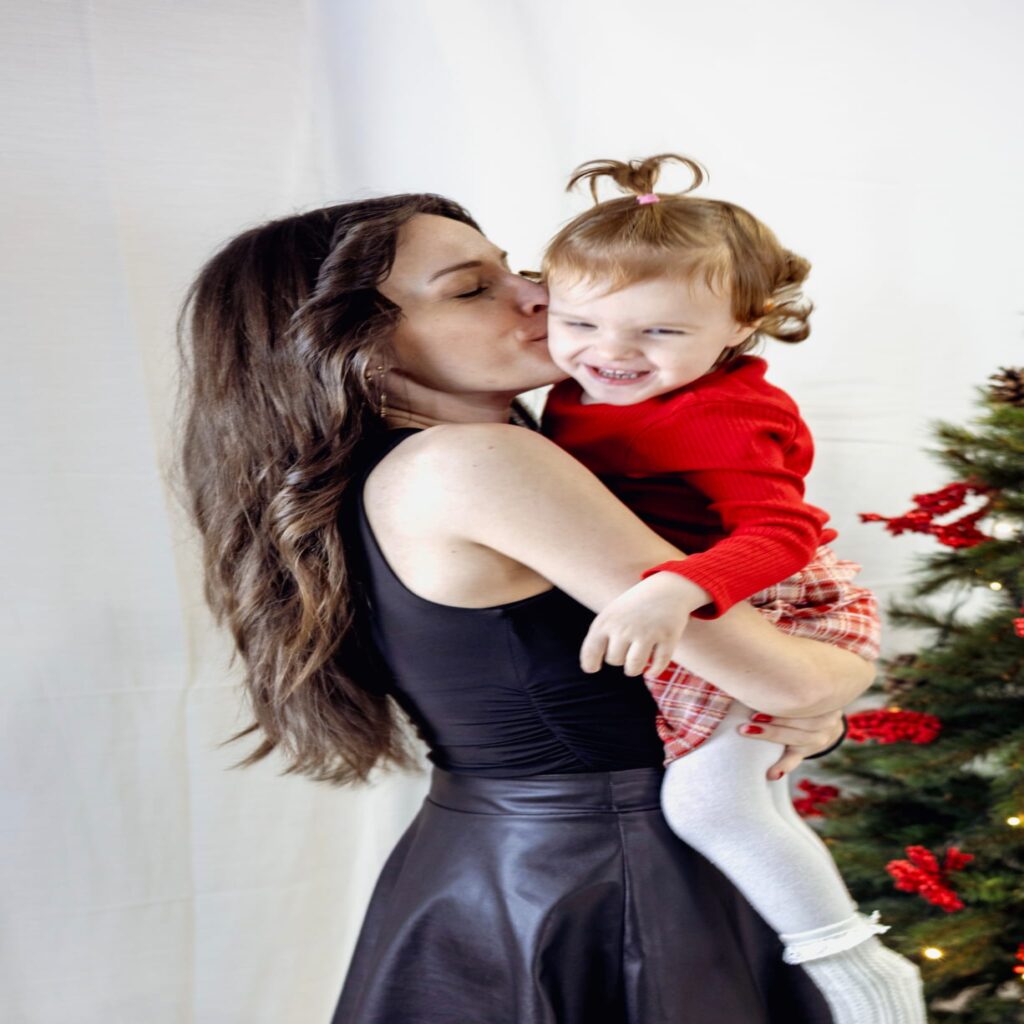
A New Chapter: Discovering PIASTM
The family originally learned about PIASTM through their MNRI therapist. Recognizing that Anastasija needed a specialized, integrative approach to address both her structural limitations and her sensory overload, they booked their first consultation with Kanu Kaushik
Almost immediately, the family felt a shift. The anxiety of impending surgeries began to give way to a structured, actionable plan.
“Then we had our first consultation with Kanu Kaushik, and our hope proved to be more than justified.”
Four Days of PIASTM Intensive Transformation
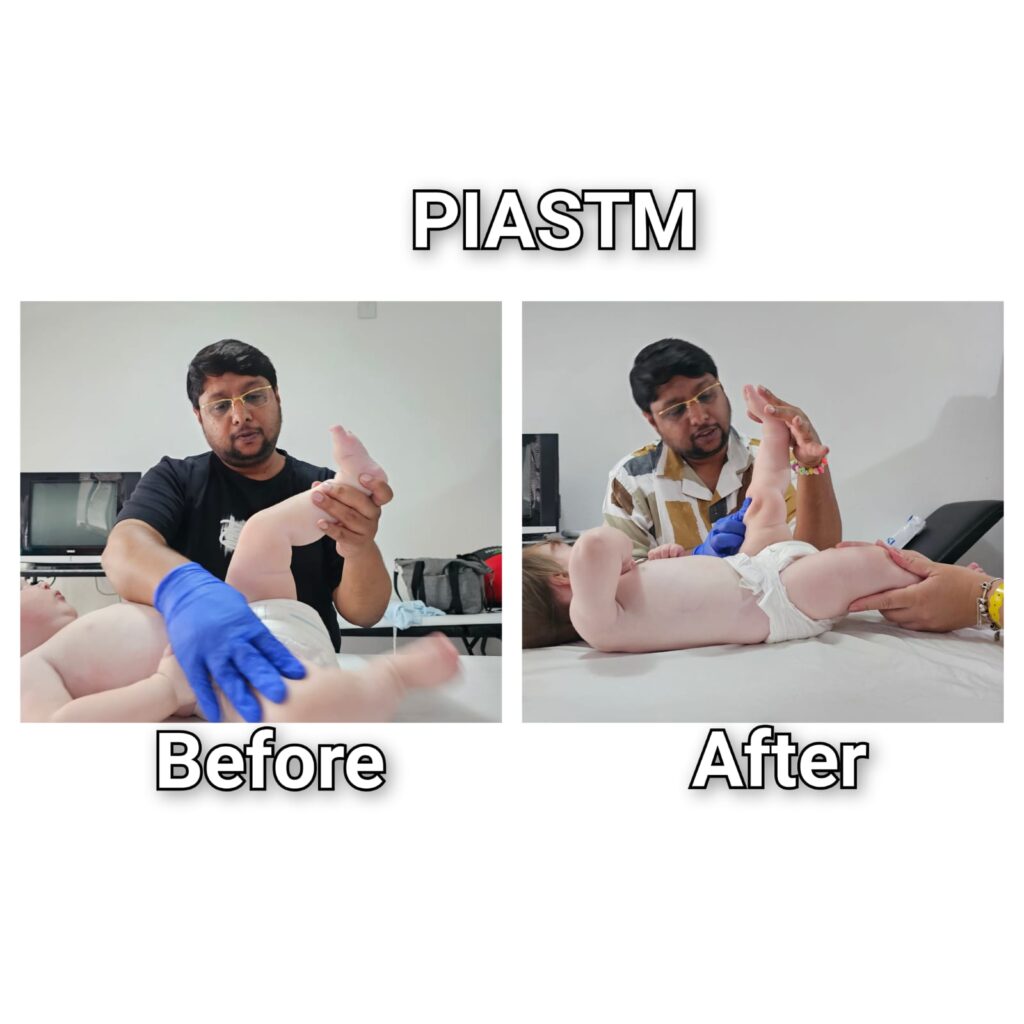
The most remarkable part of Anastasija’s journey is how rapidly her body responded to the right kind of intervention. PIASTM focuses on optimizing the fascial system, improving soft tissue mobility, and resetting neuromuscular pathways.
After just four days of intensive therapy, the physical changes were undeniable:
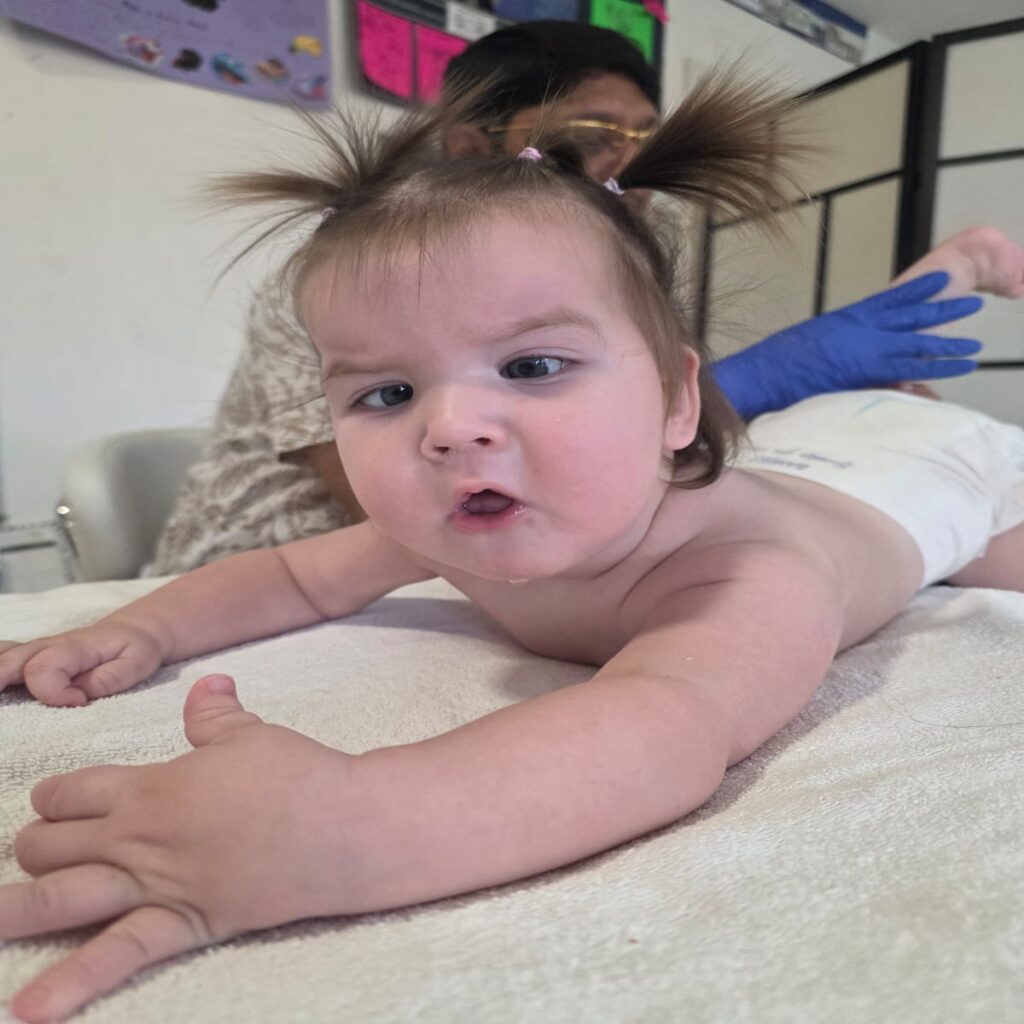
- Core Strength and Posture: Anastasija, who struggled with severe hypotonia (low muscle tone), was suddenly sitting completely upright.
- Tension Release: Her shoulders, which had been locked in severe tension due to her body struggling to stabilize itself, finally relaxed. Her trunk became visibly stronger.
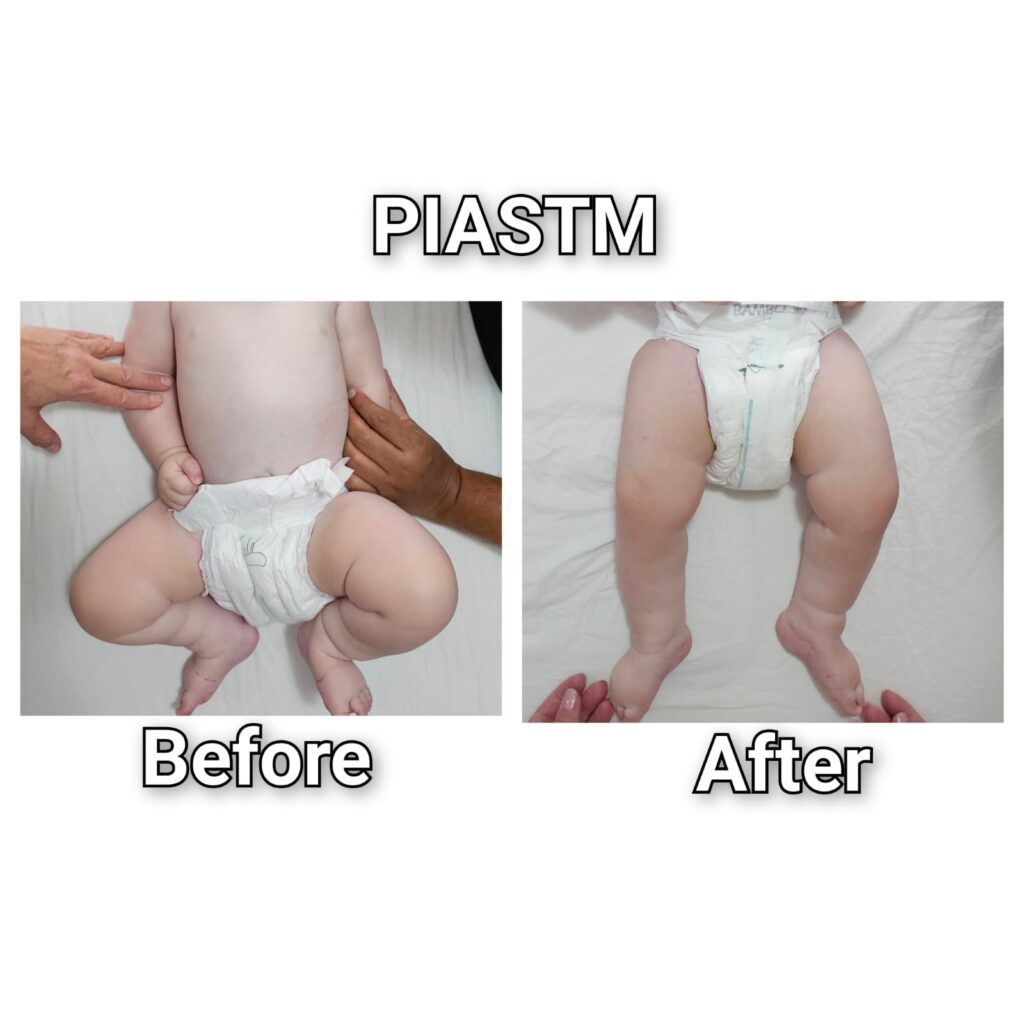
- Improved Mobility: The active range of motion in her arms and legs noticeably increased.
Perhaps the most vital breakthrough was sensory. Exploring and releasing the body’s physical tension through PIASTM helped calm Anastasija’s overactive nervous system. For the first time in her life, Anastasija allowed her feet to be stretched and exercised. She began allowing practitioners and family members to touch her legs without distress.
This reduction in sensory defensiveness opened a critical door: it made her highly receptive to her ongoing physiotherapy sessions, turning previously traumatic appointments into productive, positive experiences.
Integrating Technology: The NMES Device
While PIASTM provided the hands-on structural and sensory breakthroughs, Kanu Kaushik also identified the need to accelerate Anastasija’s muscle development safely.
Finding technological support for small children with severe hypotonia is notoriously difficult, as many devices are built for adults or larger patients. However, Kanu Kaushik helped the family source and integrate a Neuromuscular Electrical Stimulation (NMES) device specifically suited for Anastasija.
This integration of therapy and technology yielded massive dividends. The NMES device significantly strengthened her trunk, stabilizing her core to a degree the family hadn’t seen before. The result? Anastasija reached the monumental milestone of standing on her own.
Breathing Easier: Cognitive and Vocal Leaps
The benefits of PIASTM are rarely confined to just muscles and joints. Because the fascial system connects the entire body—including the chest wall, diaphragm, and the structures surrounding the vocal cords—changes in physical tension often lead to systemic improvements.
Children with Joubert syndrome frequently struggle with breathing abnormalities, including erratic breathing patterns and sleep apnea. Anastasija was no exception. However, resolving the physical tension in her trunk and shoulders had a profound impact on her respiratory health.
“Since she also has breathing difficulties, I must say that after the therapies her breathing became smoother, with fewer pauses during sleep.”
Better breathing and more restful sleep naturally pave the way for cognitive leaps. Because she no longer had to direct all her energy toward fighting physical discomfort and struggling for breath, Anastasija’s personality began to shine through. Her mother proudly reports that post-therapy, she became significantly more vocal and expressive, demonstrating notable cognitive and verbal progress.
More Than Just Therapy
When standard medical pathways point rigidly toward surgery, finding an effective, non-invasive alternative can feel like a miracle. For Anastasija’s family, the specialized care provided by Kanu Kaushik and the PIASTM method proved to be exactly what her body needed to thrive.
Reflecting on the holistic impact of their experience, her mother summarizes it beautifully:
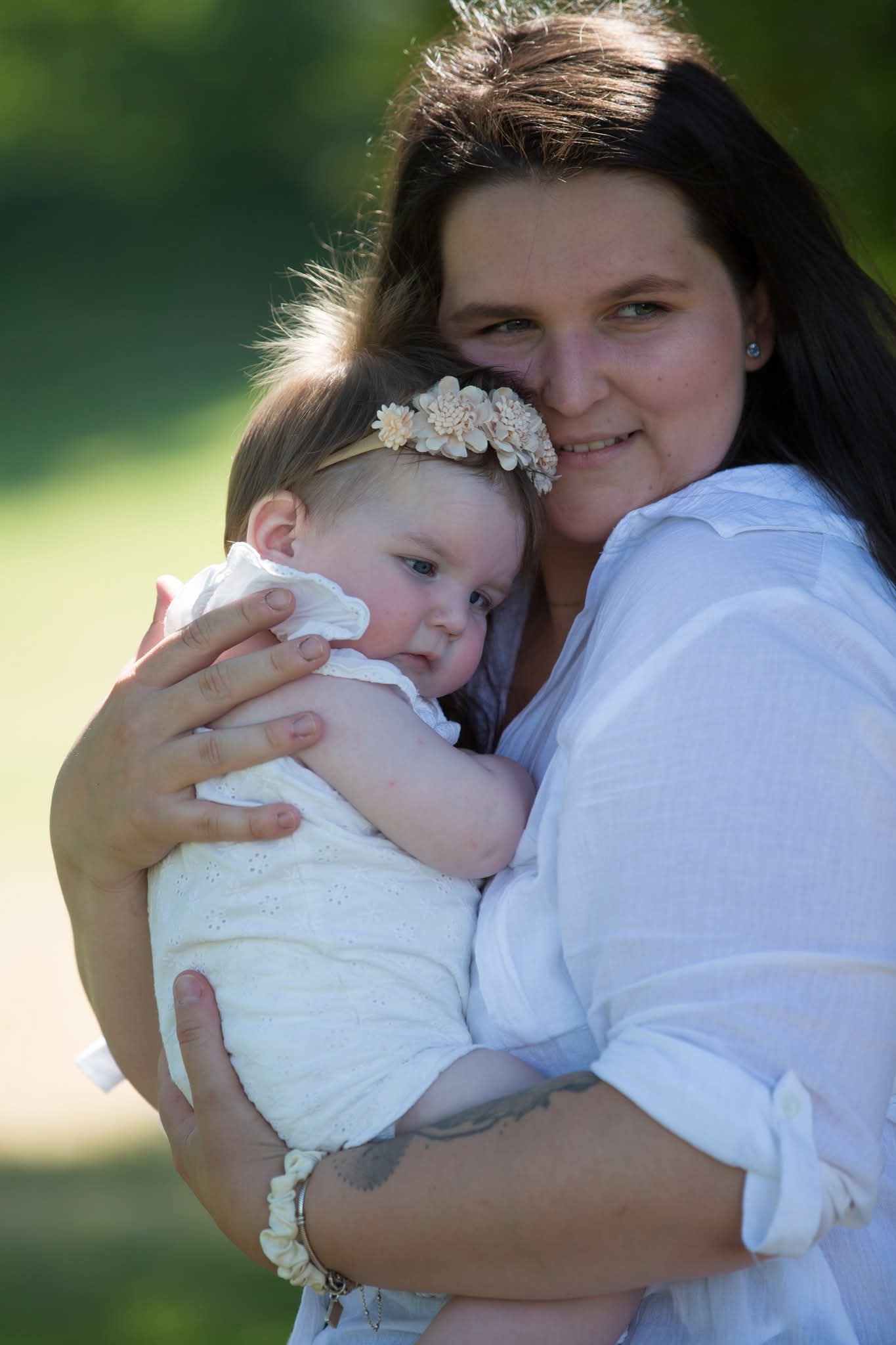
“PIASTM was our last hope, and I am incredibly grateful that it turned out to be much more than just a therapy. It became support for her body, helping it surpass its limits and allowing her to reach new developmental milestones.”
Anastasija’s story is a powerful reminder of the resilience of the human body when given the correct support. It stands as a beacon of hope for other families navigating the complexities of severe hypotonia, sensory processing challenges, and rare diagnoses—proving that with the right approach, new milestones are always within reach.
Looking for Guidance for Your Child with Joubert Syndrome, Hypotonia, or Developmental Delays?
Anastasija’s story demonstrates how a comprehensive rehabilitation approach combining the PIASTM Method, neuromuscular rehabilitation strategies, and individualized treatment planning can help children overcome significant physical and sensory challenges.
While every child responds differently, families facing conditions such as Joubert syndrome, cerebral palsy, genetic disorders, hypotonia, sensory processing difficulties, developmental delays, and movement disorders often seek therapies that support function, mobility, posture, and quality of life without immediately resorting to invasive interventions.
Kanu Kaushik, Founder of the PIASTM Method, has worked with children presenting with complex neurological and musculoskeletal challenges across multiple countries. Through detailed assessment and individualized treatment protocols, the PIASTM Method aims to optimize fascial mobility, improve neuromuscular function, enhance movement patterns, and support developmental progress.
If your child has been diagnosed with Joubert syndrome, severe hypotonia, hypermobility, shortened Achilles tendons, sensory defensiveness, or other developmental conditions, a professional consultation may help identify therapeutic options tailored to your child’s specific needs.
Consult Kanu Kaushik – Founder of the PIASTM Method
To learn more about PIASTM therapy for Joubert syndrome, hypotonia, developmental delays, cerebral palsy, and other neurological conditions, schedule a consultation with Kanu Kaushik.
Discover whether the PIASTM Method may help your child improve mobility, posture, sensory regulation, motor control, and functional independence. Every child deserves the opportunity to reach their fullest potential. Sometimes, the next breakthrough begins with a single consultation.